
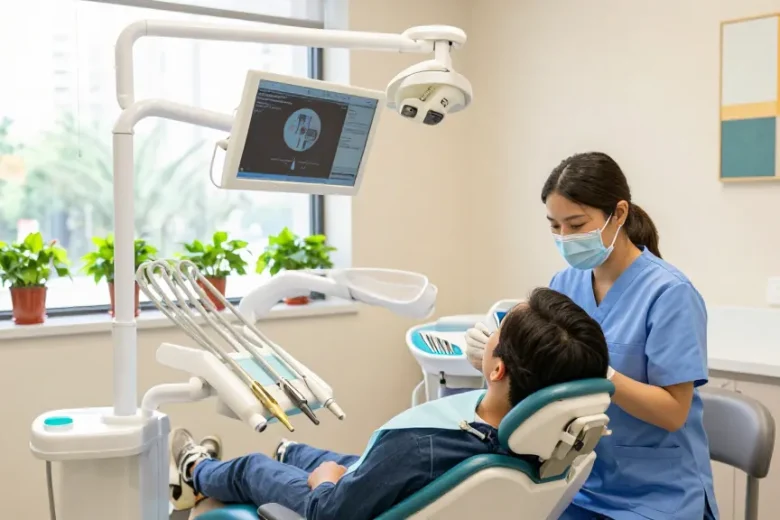
Understanding the Importance of Regular Dental Checkups
Regular dental checkups are a crucial part of maintaining optimal oral health. Many people neglect their dental visits, often citing a lack of time or fear of the dentist as primary reasons. However, prioritizing these visits can lead to significant improvements in not only your dental health but your overall well-being. From catching cavities before they escalate to preventing more serious conditions, dental checkups are an investment in your health. When exploring options, check out this site for finding the best dentist in your area.
Why You Should Prioritize Dental Visits?
As with any health issue, prevention is more effective and less costly than treatment. Regular dental checkups can catch issues early, saving you both time and money in the long run. During these visits, not only are routine cleanings performed, but dentists can also screen for potential problems such as gum disease, oral cancer, and other serious conditions that may require immediate attention.
Common Dental Issues Prevented by Routine Care
- Cavities: Regular cleanings and checkups help reduce the risk of cavities by removing plaque and tartar buildup.
- Gum Disease: Early detection of gum disease can prevent tooth loss and other health complications.
- Oral Cancer: Dentists can detect precancerous lesions and early-stage oral cancers, which are crucial for successful treatment.
- Bad Breath: Routine checkups help identify underlying issues that may cause persistent bad breath.
The Role of Patient Engagement in Oral Health
Patient engagement is critical in improving oral health outcomes. When patients actively participate in their oral health care—such as asking questions and following their dentist’s recommendations—they can better manage their health. This engagement can foster a positive relationship with dental professionals, which can alleviate anxiety about visits and treatments.
How to Find the Right Dentist in Your Area
Finding the right dentist can be challenging, especially with so many options available. Start by considering your specific dental needs and preferences. Are you looking for a dentist who specializes in cosmetic dentistry, or do you need a family dentist that caters to all ages? Knowing what you want will help narrow down your search.
Key Factors to Consider When Selecting a Dentist
- Credentials: Check their qualifications and any specialized certifications.
- Location: Opt for a dentist that is conveniently located near your home or workplace.
- Insurance: Verify that they accept your dental insurance to minimize out-of-pocket expenses.
- Reviews: Look for patient testimonials and online reviews to gain insights into their practice.
Utilizing Online Resources to Find Dental Professionals
There are numerous online platforms available that can help you find dental professionals in your area. Websites like Dentee provide comprehensive information, allowing you to easily search for dentists based on location, specialty, and patient ratings. Using these resources can save you time and ensure you make an informed decision.
Reviewing Patient Testimonials and Ratings Effectively
When analyzing patient reviews, look for trends in comments regarding the dentist’s communication style, wait times, and the quality of care received. High ratings with numerous positive reviews often indicate a trustworthy and skilled practitioner. Don’t forget to consider any negative feedback as well to gauge any recurring issues that may concern you.
The Process of Booking Your Appointment Online
The convenience of booking dental appointments online cannot be overstated. Most dental practices now offer user-friendly platforms for scheduling that make the process fast and simple.
Step-by-step Guide to Using Online Booking Platforms
- Choose Your Dentist: Select your preferred dentist from the list provided by the platform.
- Select a Service: Choose the dental service you require—be it a routine checkup or a specific treatment.
- Pick a Date and Time: Review available slots and select a time that suits your schedule.
- Provide Information: Fill in any necessary personal information including contact details and insurance information, if applicable.
- Confirm Appointment: Review all details and confirm your appointment.
Real-Time Availability: What to Expect
Many online booking systems provide real-time availability, allowing you to see open appointments as they become available. This feature significantly reduces the back-and-forth communication that typically comes with scheduling an appointment. Additionally, you can often receive confirmation and reminders via email or text, ensuring that you never miss an appointment.
Preparing for Your Dental Appointment: A Checklist
- Insurance Information: Ensure you have your insurance card handy.
- Medical History: Prepare a list of any medications you’re currently taking and any health conditions that may affect your dental care.
- Questions: Write down any concerns or questions you want to discuss with your dentist.
- Arrive Early: Arriving 10-15 minutes early can help you fill out necessary paperwork and reduce stress.
What to Expect During Your First Visit
Your first dental visit can be a mix of excitement and anxiety, but knowing what to expect can help alleviate your fears.
Initial Consultation: Understanding Your Dental Needs
The initial consultation will typically involve a thorough examination. The dentist will assess your oral health, look for any signs of issues, and discuss your dental history. This visit is crucial for establishing an ongoing relationship with your dentist and for creating a personalized treatment plan.
Your Dental Health History: Key Questions to Expect
During your first visit, expect questions related to your dental history, any past procedures, allergies, and your daily oral care routine. This information is vital for your dentist to provide tailored care.
Follow-Up Care: Maintaining Your Oral Health Post-Visit
After your first appointment, your dentist may recommend follow-up visits based on your specific needs. These could include routine cleanings, further examinations, or referrals to specialists if needed. Following your dentist’s advice can greatly enhance your oral health outcomes.
Future Trends in Dental Care for 2026 and Beyond
The dental industry is continually evolving, with several emerging trends set to shape the landscape of dental care in the coming years.
Emerging Technologies Shaping Dental Practices
Technologies such as 3D printing, artificial intelligence, and digital imaging are revolutionizing how dental practices operate. These advancements not only promote efficiency but also improve the accuracy of diagnosis and treatment. For example, 3D printing is now used to create patient-specific dental prosthetics, leading to better fit and comfort.
Telehealth in Dentistry: Convenience and Accessibility
Telehealth is becoming increasingly common in dentistry, allowing patients to consult with their dentists remotely. This service is particularly beneficial for follow-up consultations, providing convenience and accessibility to patients who may find it difficult to visit a physical location.
Consumer Trends: How Patients are Changing Dental Care
Today’s dental patients are more informed and proactive about their health than ever before. Increased awareness of oral health has led to a demand for more personalized care and preventive measures. Patients are seeking transparency in treatment options and costs, which is influencing how dental providers interact with their clients.
Frequently Asked Questions
How can I find a dentist near me?
You can find a dentist by utilizing online search tools or dental directories, which allow you to filter results based on location, specialty, and patient reviews.
What should I bring to my first dental appointment?
Bring your insurance information, a list of medications, and any relevant medical history to your appointment.
How often should I visit the dentist?
It is generally recommended to see your dentist at least twice a year for routine checkups and cleanings.
What are the signs I need urgent dental care?
Symptoms such as severe toothache, swelling, or bleeding gums may indicate that you need to seek urgent dental care.
Why is dental hygiene important between visits?
Maintaining good dental hygiene at home is crucial for preventing cavities and gum disease, which can lead to more serious health issues if left unchecked.